
Bruxism and TMJ Treatment in Humble, TX
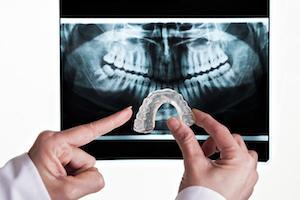 Jaw pain, tooth sensitivity, headaches, and migraines may all point to a common but often overlooked condition: tooth grinding and clenching, also called bruxism. Many people are unaware that they grind their teeth because it typically occurs at night during sleep and is an unconscious habit.
Dr. Robert Appel, your dentist in Humble, TX, has extensive experience working with bruxism and TMJ disorders.
He evaluates each patient’s dentition and jaw function to identify signs of bruxism or associated jaw problems. Here are some of the tell-tale signs he will look for during your comprehensive exam:
- Bite marks along the inside of the cheeks
- Worn, chipped, or broken teeth
- Small or shortened teeth
- Bony growths beneath the tongue (tori)
- Gum recession and teeth sensitivity
Because the gums, teeth, muscles, tendons, and jaw joints work together as part of the larger chewing system, bruxism can present with widely varying symptoms across individuals and may worsen over time. When left untreated, a simple teeth-grinding habit can damage the jaw joints, called temporomandibular joint dysfunction, often referred to as TMJ.
Understanding the Link Between Bruxism and TMJ
Bruxism refers to grinding and clenching your teeth, especially at night. Over time, this can damage or inflame the temporomandibular joints, leading to TMJ/TMD disorders.
According to the National Institute of Dental and Craniofacial Research (NIDCR), TMDs comprise more than 30 conditions, and bruxism is often a culprit. At Humble Dentistry, we adhere to NIDCR's "less is often best" philosophy, prioritizing conservative, noninvasive treatments.
Fortunately, we can often treat TMJ and bruxism using a single treatment or related treatments.